Casual and Competitive Nature of Video Games
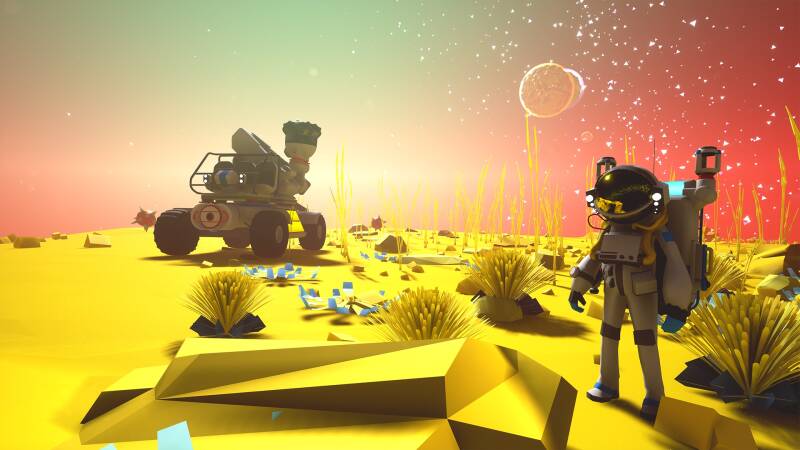
The Casual Nature of the game "Astroneer"
Video games have come a long way since their inception, evolving into a vast and diverse industry that caters to a broad spectrum of players. At the heart of this diversity lies a fundamental dichotomy: competitive and casual gaming. These two categories often define the player's experience, their goals, and the nature of their interactions within the gaming community. In this blog post, we'll explore the differences between competitive and casual video games, their appeal, and the importance of finding the right balance between the two.
Competitive video games are all about pushing the boundaries, testing your skills, and striving for victory. These games are typically structured around head-to-head battles or team-based competitions, where players aim to outperform one another. Titles like "League of Legends," "Counter-Strike: Global Offensive," and "Fortnite" fall into this category, offering complex mechanics, intricate strategies, and highly competitive environments.
Competitive gaming is characterized by its steep learning curves, demanding practice regimens, and often, a considerable time investment. Players engage in intense training to master their chosen games, learning the mechanics inside out, studying advanced strategies, and participating in ranked matches to improve their skills. The competitive scene often includes tournaments, eSports events, and a dedicated community of professional players.
The appeal of competitive gaming lies in the thrill of the challenge. It offers a sense of achievement and competition that can be incredibly rewarding. The adrenaline rush of a hard-fought victory or the drive to improve and climb the ranks keeps players coming back for more. Competitive gaming demands dedication, discipline, and a willingness to continually evolve and adapt to the ever-changing metagame.
On the other side of the gaming spectrum, we find casual gaming. Casual games are designed for accessibility and straightforward enjoyment. They're often easy to pick up, play, and put down, making them perfect for a quick gaming fix during a lunch break or relaxing evening. Titles like "Candy Crush," "Angry Birds," and "Animal Crossing" are classic examples of casual games.
Casual gaming is not about fierce competition or mastering complex mechanics; it's about relaxation and entertainment. Casual gamers play for the simple joy of the experience, whether it's solving puzzles, designing virtual homes, or just having fun. These games don't require players to invest extensive time or effort to enjoy them fully.
The appeal of casual gaming lies in its accessibility. It provides an avenue for people of all ages and backgrounds to experience the magic of video games without the pressure of competition. It's an excellent way to unwind, escape from daily stresses, and enjoy the creative and often charming worlds that these games offer.
While competitive and casual gaming may appear to be at odds, it's crucial to recognize that these categories coexist within the gaming landscape and cater to different needs. Most gamers, in fact, engage in both competitive and casual gaming at different times and for various reasons.
For many, competitive gaming provides the challenge, excitement, and sense of accomplishment that they crave. It offers an opportunity to test their skills and prove themselves against others. However, it's essential to strike a balance. Excessive competitive gaming can lead to burnout and negatively impact mental and emotional well-being. It's crucial to find time for relaxation and enjoyment through casual gaming to counterbalance the intensity of competition.
Casual gaming, while enjoyable and stress-relieving, also has its limits. It can become monotonous over time if there's no variation or challenge. Players may find themselves seeking more intense experiences or opportunities to grow and improve. In such cases, introducing competitive gaming into the mix can add a new dimension to their gaming experience.
The ideal balance between competitive and casual gaming is a personal choice. It's about understanding your gaming goals, recognizing when you need a challenge or a break, and adjusting your gaming routine accordingly. It's perfectly fine to be a competitive gamer one day and a casual gamer the next. What's most important is that you find a balance that keeps your gaming experience fulfilling and enjoyable.
In conclusion, competitive and casual gaming each brings its own unique set of experiences to the gaming world. Understanding the appeal of each category and finding the right balance between them is key to a well-rounded and satisfying gaming experience. Whether you're in it for the thrill of competition or simply looking to unwind and have fun, the world of video games has something to offer for everyone. It's a diverse and dynamic landscape where you can explore your interests, test your skills, and, above all, enjoy the incredible power of interactive entertainment.